
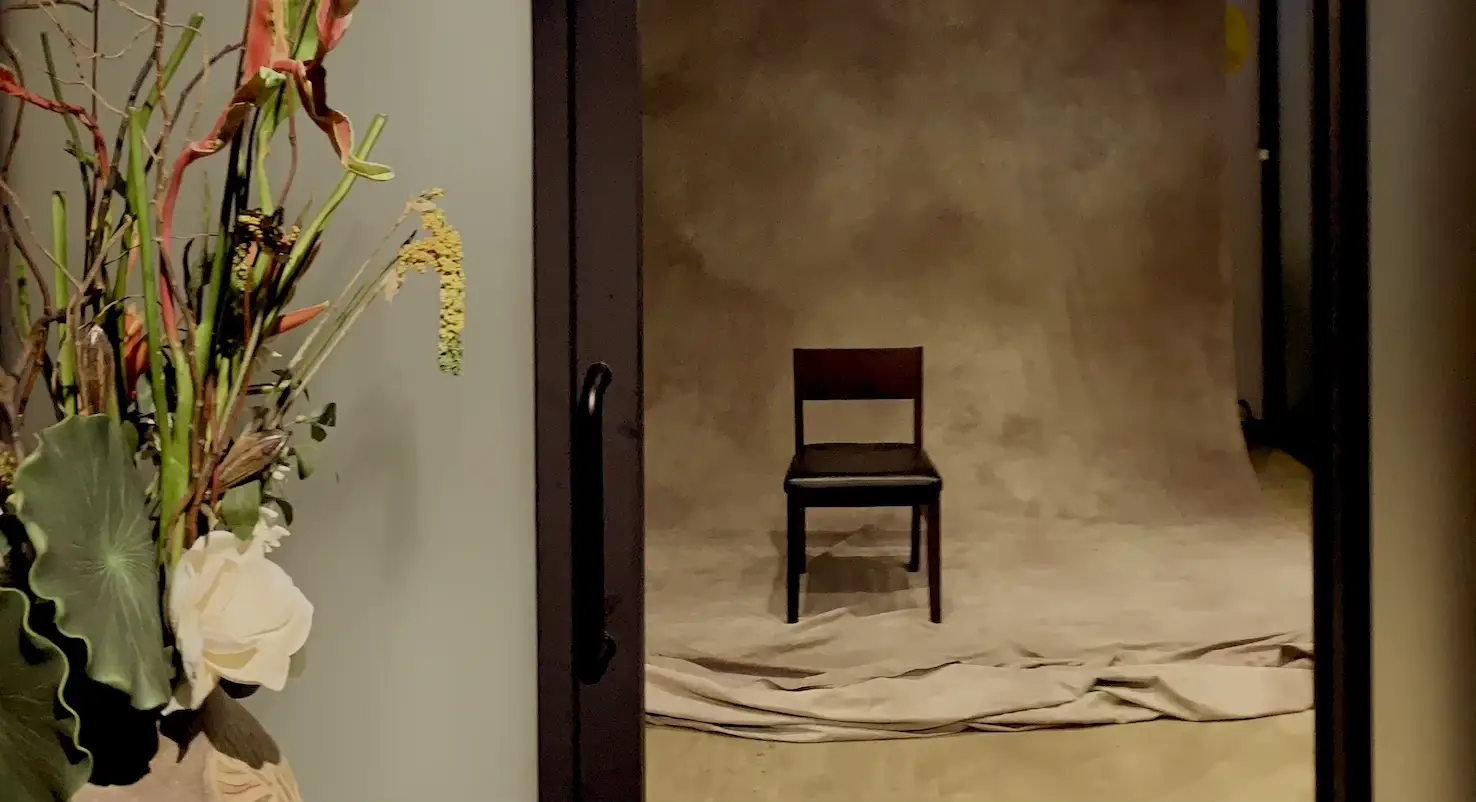
I had been thinking about photographing my friends—capturing their portraits as they are now. These are the same friends I once ran and played with as a child, their laughter filling the air with pure joy. We still remember each other’s youthful faces from those days. Now, over forty years later, I see that same essence in their expressions, but layered with the weight of time, their personal journeys etched onto their features. Their faces have become small windows where past and present meet. Photographing my friends is more than just taking their portraits; it is an act of documenting life itself. Their faces hold the weight of the years they have lived, and through my lens, I see traces of those same years reflected in myself. Now, having reached this point in life, I look at my friends through the eyes of someone who has walked the same path. Each time we meet, the air around us shifts, unique to that moment, shaped by the time we share. That time belongs only to the two of us. Within it, I see them, and I see myself. My goal is to capture not only the years they have lived but also the time we have spent together, woven into the same frame. “A portrait is not made in the camera but on either side of it.” — Edward Steichen Finding the right locations for these shoots was not easy. Thanks to Jung-min, I was able to secure a rehearsal space used by theater actors. I brought studio lighting equipment all the way from the U.S. and carried those heavy equipment through rehearsal spaces in Sadang-dong, Changsin-dong, Hyehwa-dong, Jangchung-dong, and Busan. I owe special gratitude to Young-geon, who generously let me transform one of his restaurant banquet halls into a temporary studio. This project couldn’t be widely promoted because portraiture isn’t something that can be done in groups. Each session required undivided attention, allowing me to fully immerse myself in the story of each person. One at a time, I aimed to capture the individuality of every friend who stood before my camera. I first invited those who had the time to participate. I know that being photographed is not an easy thing. Yet, despite that, my friends trusted me and willingly stepped in front of my camera, for which I am deeply grateful. With Yong-hyun and Hyun-kyu’s sessions in Busan, the first chapter of this portraiture project, Bravo, Our Lives, came to a close. But this is just the beginning. There are still many friends I have yet to photograph, and many more stories waiting to be told. This journey of documenting our lives will continue, and I look forward to the next meeting. As I returned to Seoul on the train, the city lay covered in snow, the heaviest 1st snowfall of the year in over a hundred years, they said. On the screen above me, Bravo My Life by 봄여름가을겨울 played like a soundtrack to this entire experience. Life flows on, and within it, we capture each other. Bravo, 우리 인생아! 친구들의 portraiture 사진을 찍고 싶다는 생각을 했다. 어린 시절, 천진난만하게 함께 뛰놀던 그 친구들. 우리는 그 시절 서로의 얼굴을 기억한다. 40년이 지난 지금도 친구들의 얼굴에는 그때의 모습이 여전히 남아 있다. 그리고 이제는 그 미소 속에 지금껏 달려온 시간의 흔적과 각자의 이야기가 겹쳐 보인다. 그 얼굴들은 추억과 현재가 만나는 작은 창이 되었다. 친구들의 얼굴을 사진으로 담아내는 일은 삶의 기록을 남기는 일이다. 그들의 얼굴에는 살아온 날들의 무게가 서려 있고, 동시대를 살아온 내 눈에도 그 세월이 보인다. 지천명의 나이가 된 지금, 그 나이의 눈으로 친구들을 바라본다. 우리가 만날 때마다, 그 순간의 공기는 달라진다. 그와 내가 함께 만드는 시간은 오롯이 둘의 것이고, 그 안에 나도 있고, 그도 있다. 내가 원하는 것은 그들이 살아온 시간과, 내가 그들과 함께 걸어온 시간을 함께 사진속에 담는 것이었다. 촬영 장소를 찾는 일이 쉽지 않았다. 정민의 도움으로 연극배우들이 사용하는 연습실을 빌릴 수 있었다. 미국에서 studio 조명 장비를 공수해 갔다. 사당동, 창신동, 혜화동의 연습실들과 장충동과 부산을 무거운 장비를 옮겨가며 촬영했다. 지하 연회실을 studio로 쓸 수 있도록 통째로 내어준 영건에게 특히 깊은 고마운 마음을 전한다. 이번 project는 대대적으로 광고할 수 없었다. Portraiture 사진은 단체로 진행할 수 없기 때문이다. 한 사람 한 사람에게 온전히 집중하며 그들의 이야기에 깊이 몰입해야 한다. 한 번에 한 명씩, 각자의 고유한 개성을 담아내고 싶었다. 시간이 허락되는 친구들을 우선 초대했다. 나는 사진 찍히는 일이 결코 쉬운 일이 아님을 안다. 그럼에도 불구하고 나를 믿고 기꺼이 camera 앞에 서 준 친구들에게 진심으로 고마운 마음을 전한다. 부산에서의 용현과 현규의 촬영으로 이 새로 시작된 portraiture project, “Bravo, Our Lives”의 첫 chapter를 마무리했다. 하지만 이 프로젝트는 이제 막 첫 발을 뗐을 뿐이다. 아직 찍지 못한 친구들이 많이 남아있고, 앞으로 더 많은 이야기를 담아낼 예정이다. 우리의 삶을 기록하는 이 여정은 계속될 것이며, 다음 만남을 고대한다. 첫눈으로 이렇게 많은 눈이 내린 것은 100여 년 만이라고 했다. 하얗게 눈으로 덮인 서울로 돌아오는 열차 안, 천장에 매달린 monitor에서 흘러나오던 봄여름가을겨울의 노래 ‘Bravo My Life’는 마치 이 모든 순간을 위한 배경음악 같았다. 삶은 그렇게 흐르고, 그 속에서 우리는 서로를 담아낸다.
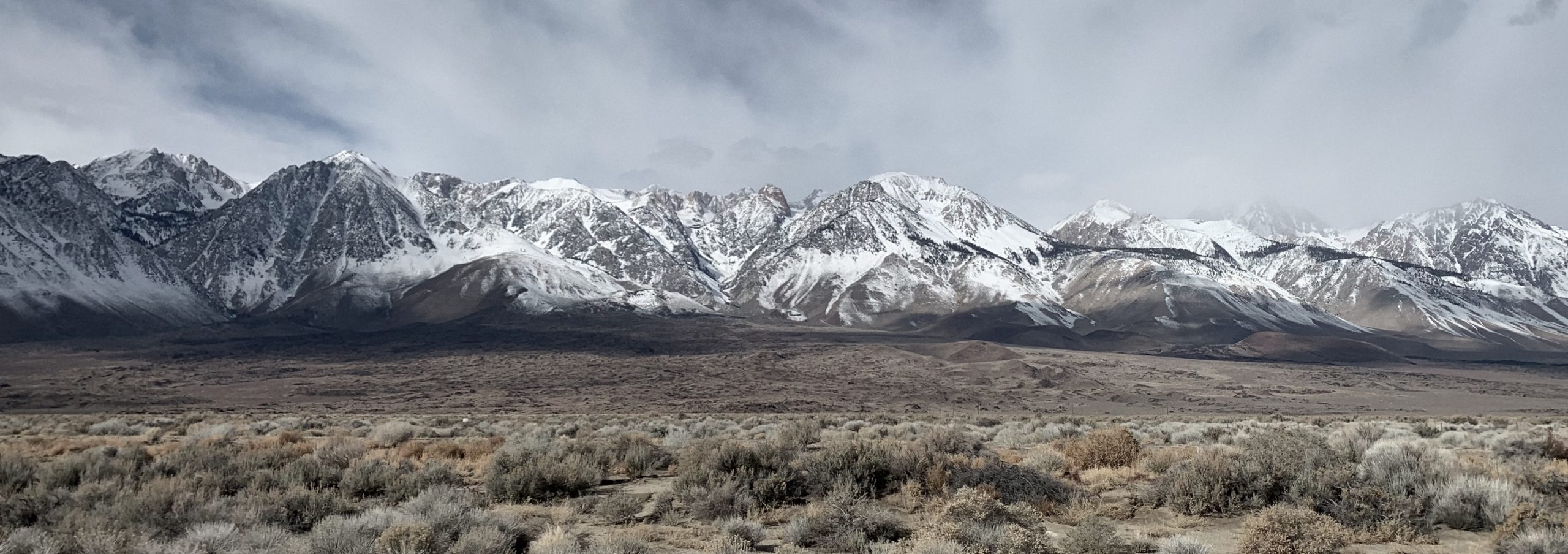
Winter Bishop Photo Journey
사진이란 결국 현실을 그대로 담는 것이 아니라 그것을 대변하는 매체일 뿐이다. 이러한 측면에서 사진은 언어와 매우 유사하다. 하지만 말이라고 모두 시나 소설과 같은 문학 예술이 되지 않는 것처럼, 사진 또한 그 자체로 완성된 예술 형태는 아직 아니다. 그래서 사진은 미술과 문학 사이에서 존재하게 된다. 미술과는 평면적 예술이라는 공통점이 있지만, 시간성에서 차이가 있으며, 문학과는 인간의 삶을 담는다는 측면에서는 비슷하지만 형태적으로 다르다. 여기까지는 어떤 이에게는 말장난처럼 들릴 수 있다. 하지만 복잡한 말들은 일단 제쳐두고, 나에게 사진은 “내가 그 순간에 느낀 감정을 담고자 노력하는 행위”다. 그러므로 당연히 이것은 매우 개인적인 행위일 수밖에 없다. 사진을 찍는 사람은 자신의 감정을 담기 위해 노력하고, 감상하는 사람은 작가의 감정을 간접적으로 느끼게 된다. 그러므로 작품의 가치는 작품을 감상하는 사람에게 달려있다. 나는 그때 그때 내가 느낀 감정을 그대로 표현하고자 노력한다. 감정을 잘 표현하기 위해 적절한 재료를 선택하고 다루듯이, 나는 한 작품 한 작품을 만들어 낸다. ‘요리’料理라는 단어의 어원이 (어울리는 재료를) ‘헤아려 다스린다’는 뜻이니 내겐 온세상이 내 주방인 셈이다.
The Joy of Longing: Wanting to See but Unable to
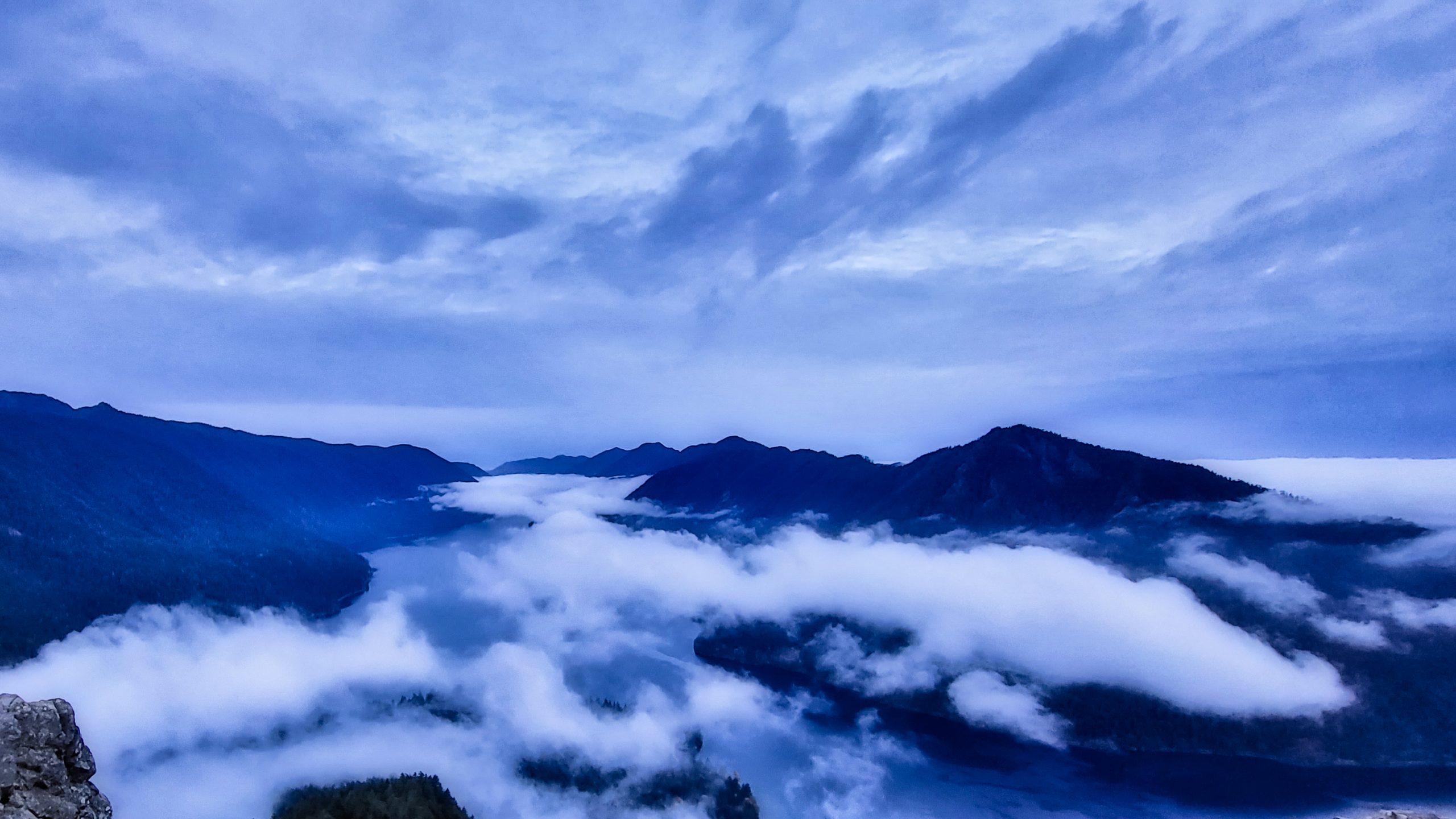
What do you do with all the photos you take? Not long ago, a friend asked me, “What do you do with all the photos you take? Do you just look at them at home?” I provided an honest reaction to her, but in truth, it wasn’t an answer to the question. “Photos are evidence that I was there at that moment,” I said. What I wanted to convey was the emotion of the moment when taking a photo. When facing a breathtaking scene that momentarily takes our breath away, whether it’s a sunset, wildflowers, or clouds, all the preoccupations in my mind vanish in an instant, and I find myself truly present in the ‘here and now.’ That moment is the essence of ‘liberation.’ It’s been quite some time since my early university years when I first immersed myself in photography. Throughout this time, I’ve steadfastly stuck to film, specifically black and white film. Not because I dislike digital photography or believe one is superior; it’s just that the joy I feel is sufficient with black and white film alone. It would be accurate to say that I haven’t graduated from black and white film photography yet. Recently, an experience reminiscent of the words of the photo artist Min Byung-heon occurred again. I climbed one of the beautiful peaks in Olympic National Park near Seattle. Arriving before sunrise, we started the steep ascent at the muddy 4 a.m. The view from the summit just before sunrise, with the world gradually brightening from darkness, was so beautiful that it momentarily took my breath away. However, none of the photos taken at that time remain. The camera’s film was wasted because it wasn’t inserted correctly. I still make those kinds of mistakes. When I later told the friend who went with me the story, he said, “See, you should use a digital camera! Who uses a film camera these days?” Of course, if it had been a digital camera, I could have checked on the spot, taken more photos, and even edited them. Seeing things on-site can be an advantage. I felt regretful looking at the empty film in the darkroom. However, I believe that the inability to see things on-site is the biggest advantage of a film camera. The fulfillment I can feel because I couldn’t see it on-site is indescribably satisfying. Because I couldn’t see the photos on-site, the satisfaction I could harbor in my heart is indescribably fulfilling. The illusion, like ‘today’s photo will be the masterpiece among my decades of work,’ lightened my steps all the way down the descent path that day. I still have the misconception that the photo I took that day will be one of my masterpieces. Because I haven’t seen it yet. The anticipation and satisfaction that come from not being able to see it on-site are such wonderful and significant joys that they once again motivate me to go out and take photos. 보지 못하고 기다리는 시간이 행복하다 얼마전 친구 하나가 “그렇게 찍은 사진들로 뭘 하나? 집에서 그 사진들을 보냐?”는 질문을 했다. 나는 “사진은 내가 그 때, 그 자리에 있었다는 증거다.”라고 꾸밈 없는 솔직한 답변을 했지만 사실은 질문에 대한 답변이라기 보다는 동문서답이었다, 내가 전달하고자 했던 것은 사진을 찍는 순간에 대한 감정에 관한 것이었다. 숨을 잠시 멎게할 만큼 아름다운 광경과 마주하는 순간 우리는 해탈을 맛본다. 그것이 무엇이든 상관없다. 노을일 수도 있고, 들꽃일 수도 있으며, 구름일 수도 있다. 그것을 마주한 순간 내 머릿속에 가득했던 상념들은 순식간에 모두 날아가 버리고 나는 ‘지금 여기’에 있게 된다. ‘지금 여기’에서 내가 느끼는 하나의 감정에 충실하게 된다. 그것이 ‘해탈’의 정의다. 대학 초년시절이었으니 내가 사진에 빠져든 후 지금까지 상당한 시간이 흘렀다. 그동안 나는 한결 같이 필름, 그것도 흑백 필름사진만을 고집했다. 디지털사진이 싫거나 우열이 있어서가 아니라 내가 느끼는 기쁨이 흑백 필름사진 만으로도 충분하기 때문이다. ‘아직 흑백 필름사진을 졸업하지 못했다’는 것이 정확한 표현이겠다. 얼마전 민병헌작가님의 말씀 같은, 우리가 가끔 격는 일이 내게 또 있었다. 시애틀에서 가까운 올림픽국립공원의 봉우리들 중 하나에 올랐다. 발아래 구름으로 덮인 호수가 양쪽 갈래로 펼쳐지고 호수 넘어 바다 건너편으로 캐나다의 빅토리아시가 보이는 곳이다. 해가 뜨기 전에 도착하기 위해 아침 4시에 바로 눈앞도 보이지 않는 칠흙 같은 깊은 산속으로 출발하여 2시간 동안 가파른 산을 올랐고 정상 근처에서는 camera 장비를 질머진 채 밧줄를 잡고 올라야 했다. 해가 뜨기 전 정상에서 보는, 어둠으로 부터 서서히 밝아 오는 세상은 숨을 잠시 멎게할 만큼이나 아름다웠다. 서너명이 함께 설 수 있을 정도로 작은 그 바위 위에서의 짧은 시간은 절대 잊지 못할 것 같다. 20-30분간 안개와 구름은 잠시도 쉬지 않고 말로는 다 표현할 수 없을 만큼 아름다운 드라마를 펼쳐보였다. 하지만… 그 때 찍은 사진은 한 장도 남아있지 않다. 카메라의 필름이 헛돈 것이다. 나중에 함께 갔던 친구에게 그 이야기를 했더니 “거봐, 디지털카메라를 써야지! 요즘에 누가 필름카메라를 쓰냐?” 라고 한다. 물론 디지털카메라였다면 그자리에서 확인하고, 다시 찍고, 수정 까지도 가능했을 것이다. 찍은 사진을 현장에서 보는 것이 장점일 수 있다. 암실에서 텅빈 백지 상태의 필름을 보고 아쉽기는 했다. 하지만 나는 현장에서 사진을 볼 수 없는 것이 필름카메라의 가장 큰 장점이라고 생각한다. 현장에서 볼 수 없었기 때문에 내 마음에 품을 수 있는 충만감은 이루 말할 수 없이 컷다. ‘수십년을 했지만 오늘 찍은 사진이 최고의 걸작이 될 것’ 같은 착각이 그 날 하산 길 내내 발걸음을 가볍게 만들었다. 난 아직 까지도 그 날 찍은 사진이 내 인생 걸작중의 하나일 것이라는 착각을 하고 있다. 아직 보지 못했기 때문에. 그 자리에서 볼 수 없었기 때문에, 볼 수 없는 것에서 오는 기대와 충만감은 정말 큰 즐거움이다. 그것은 내가 다시 나가서 더 많은 사진을 찍을 수 있게 하는 힘이 된다.
2024 Calendar
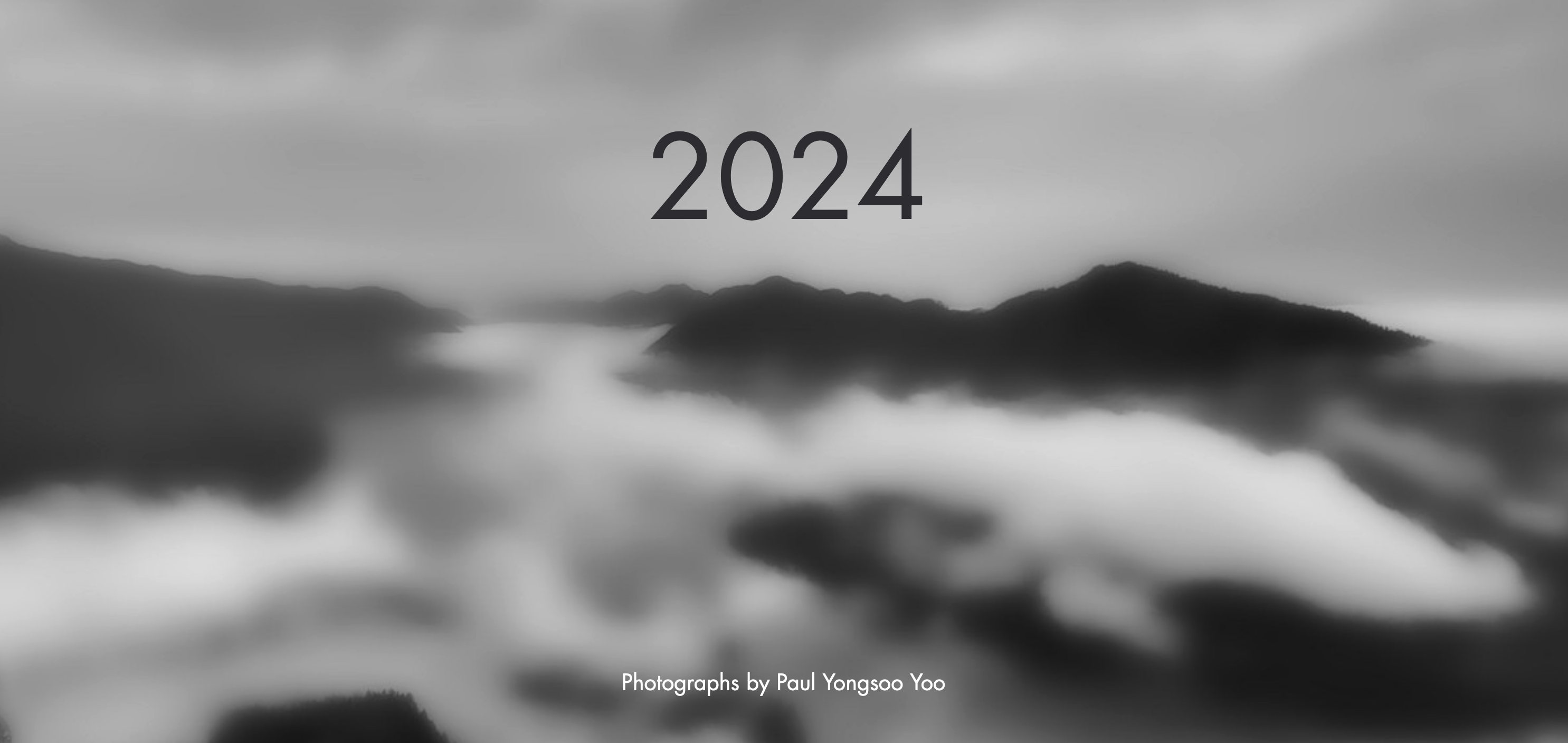
Unveiling the 2024 Calendar: Sharing the Inspiration Behind It. The first time I thought about making a calendar was at the end of last year, 2022. It was during the pandemic when I dug out my trusty enlarger that had been accumulating dust in my darkroom for a long time and started taking pictures again. It hasn’t been a year since I resumed photography. For the calendar, I decided on the theme of nature and I gave myself a year to capture photos. Around autumn, I used the cost as an excuse to give up on the plan. The truth was, I didn’t have the confidence to create all 12 pieces that I am satisfied with within the printing order deadline. If it weren’t for the encouragement and support from friends, I probably wouldn’t have been able to finish it. Tagore confessed, “I abandon everything on the earth at twilight and return to your arms.” Even when we are watching the same sunset, the stories unfolding in our hearts are unique. The reason twilight is so beautiful is perhaps because it is so fleeting. Now, I am releasing just around 20 copies, a special limited edition. I attempted to encapsulate my personal stories within each piece, inspired by the fleeting beauty of nature, much like a momentary and ephemeral encounter. After completing a project, there’s often a sense of accomplishment along with the usual taste of bitter-sweetness. I was happy because turning my works into a calendar was not a means to gain something, but rather, the activity itself was the goal. To Gi, who inspired the initial idea of showcasing my works in any form, to Yeonji, who provided courage and support when thoughts of giving up crossed my mind, and to Yumin and Dongwook. Without them, I wouldn’t have been able to achieve this. A special thanks to these caring friends who guided me throughout. “달력을 만들어 볼까?”라는 생각을 처음 한 것은 작년말 쯤이었다. 오래동안 암실 구석에서 먼지가 쌓여가던 확대기를 다시 꺼낸것이 Pandemic 때였으니 다시 사진을 찍기 시작한지 1년이 지나지 않은 시기였다. 달력에 실을 사진 촬영에는 나 스스로에게 1년의 시간을 주었고 주제는 자연으로 정했다. 가을 쯤 비용을 핑계 삼아 계획을 포기했었다. 품질 좋기론 미국보다 한국에서 제작하는 것이 좋은데 문제는 운반이었다. 비용도 고려해야 했지만 실은 인쇄주문 시한 안에 마음에 드는 12개의 작품을 모두 완성할 자신이 없어서였다. 친구들의 격려와 응원이 없었다면 해내지 못했을 것이다. 타고르는 ”나는 황혼 녘에 지상의 모든 것을 버려두고 당신의 품 안으로 돌아갑니다.“라고 황혼의 아름다움을 고백했다. 같은 노을을 보고 있어도 우리들 각자의 마음속에 펼쳐지는 이야기는 각기 다르다. 또 그만큼 황혼이 아름다운 이유는 그것이 우리곁에 있는 시간이 너무나 짧기 때문일게다. 이번 사진 선정 과정에서 나는 찰라와 같은 짧은 시간에 내게 영감을 준 자연의 아름다움을, 그 하나하나의 작품속에 내 이야기가 담겨있는 작품들로 모아 보았다. 마지막까지 결정을 미루다가 동네 인쇄소에서 서둘러 제작하다 보니 단 20여개의 밖에 만들지 못했고 생각지도 않은 special limited edition이 되어버렸다. 어떤 일을 마치고 나면 무언가를 해냈다는 성취감과 함께 언제나 처럼 아쉬움도 느끼기 마련이다. 내 작품들을 어떤 형태로든 이렇게 펴내는 행위가 무엇을 위한 수단이 아니라, 이 경험 자체가 목적이었기에 그 시간 내내 행복했다. 처음에 내 작품들을 어떤 형태로든 펴내야겠다는 영감을 준 지연, 포기해야겠다는 생각을 했을 때 용기를 주며 응원해준 연지, 유민, 그리고 동욱. 이 소중한 이들의 격려가 없었다면 이 달력은 세상의 빛을 보지 못했을 것이다. 이 모든 소중한 이들에게 특별한 감사의 마음을 전한다.